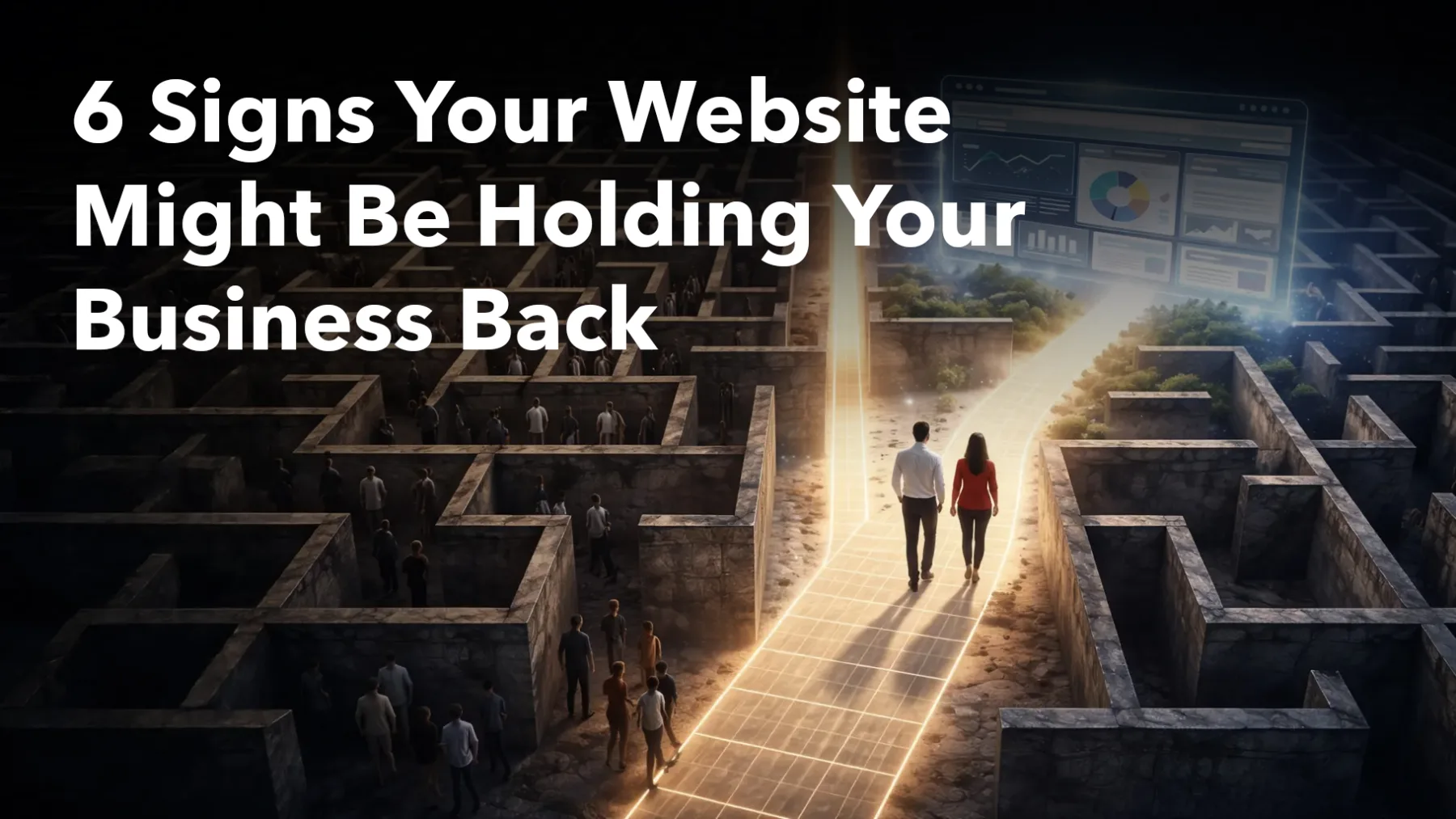
6 Signs Your Website Is Helping Your Business, or Holding It Back
Learn how to evaluate whether your website is actually supporting your business growth. A practical guide for founders who want clarity before redesigning.
Introduction
Many founders invest in a website expecting it to support growth, attract customers, and strengthen credibility. But after launch, it’s often unclear whether the site is actually doing its job.
In my experience working in web design for more than a decade, I’ve seen many businesses with websites that look polished but still fail to support the business behind them. Design alone doesn’t determine whether a website works. What matters more is clarity.
When someone visits your site, they should quickly understand what you do, who it’s for, and what they should do next. If those signals aren’t clear, the website may be creating confusion instead of helping the business grow. Below are six signs that can help you evaluate whether your website is truly supporting your business.
If you’d like to review your own site while reading this guide, I created a Website Clarity Checklist you can use to evaluate it step by step. You can download it at the end of the article and quickly assess whether your website is actually helping your business.
Visitors Quickly Understand What You Do
One of the most important signals is clarity. When someone lands on your website, they should be able to answer three questions within a few seconds:
• What does this business do?
• Who is it for?
• What should I do next?
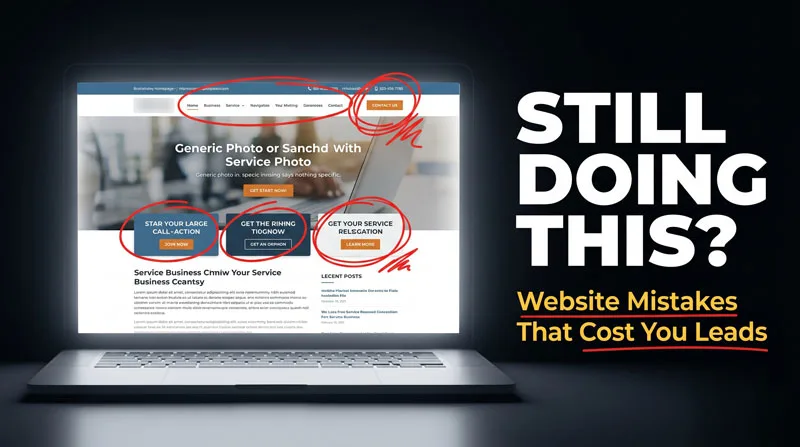
If visitors have to scroll through multiple sections before understanding the core offering, the site may be creating confusion instead of clarity. Clear messaging often matters more than visual design.
The Website Guides Visitors Toward Action
A website should guide people toward the next step, whether that’s scheduling a consultation, submitting an inquiry, or learning more about a service. Signs your website is helping your business include:
• Clear calls to action
• Logical page structure
• Simple navigation
• Contact options that are easy to find
If users need to hunt for information or guess what to do next, the site may be losing potential opportunities.
The Site Appears in Search Results
Another important indicator is discoverability. Even the best website can’t help your business if people can’t find it. Search visibility plays a major role in whether a website contributes to growth. A website that supports the business should:
• Appear in relevant search results
• Attract organic traffic
• Provide content that answers common questions
This doesn’t happen overnight, but over time a strong website should contribute to increased visibility.
Visitors Spend Time Exploring the Site
Engagement is another useful signal. If visitors arrive and leave immediately, it may indicate that the site isn’t communicating the right message or guiding users effectively. When a website is aligned with the needs of its audience, people tend to:
• Explore multiple pages
• Read service descriptions
• Review examples of work
• Learn more about the business
These behaviors suggest the site is helping visitors move closer to a decision.
The Website Reflects the Current Direction of the Business
Businesses evolve, but websites often stay the same. A website that once worked well may no longer reflect the company’s current services, positioning, or target audience. Signs the site may need attention include:
• Outdated messaging
• Services that have changed
• Missing information about current offerings
• Content that no longer represents the brand
A website should evolve as the business grows.
The Site Supports Conversations With Potential Clients
Many founders notice that the quality of inquiries improves when their website communicates clearly. A strong website often helps potential clients arrive already understanding:
• What the company does
• Who the services are for
• How the process works
This leads to more productive conversations and fewer misunderstandings.
When a Website Isn’t Supporting the Business
If a website isn’t helping people understand the business, guiding them toward action, or improving visibility, it may be time to revisit its structure and messaging. In many cases, the issue isn’t design. It’s clarity. Websites perform best when the strategy behind them is thoughtful and aligned with the goals of the business.
Website Clarity Checklist
Here is a simple 15-point checklist I created so you can use to review your website’s structure, messaging, and overall effectiveness.
It’s designed to help you quickly see whether your site is:
• clearly communicating what your business does
• guiding visitors toward the right next step
• supporting visibility and growth
Download the Website Clarity Checklist →
Final Thought
A website should function as more than a digital brochure. When built with the right structure and messaging, it becomes a tool that supports growth, strengthens credibility, and helps people take the next step. For founders, the most valuable websites aren’t just visually appealing. They’re the ones that make the business easier to understand.